


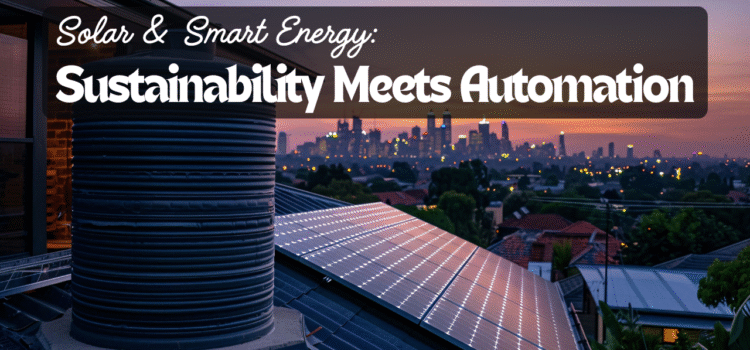
Homes and businesses are moving toward smarter ways to use energy. In 2025, automation and solar power are working together to cut waste and save money.
Smarter Solar Panels
These are no longer just passive collectors. In 2025, panels can track the sun for better output. They also connect with apps that show real-time energy levels. Owners can see how much power is being made and used. Some panels now come with built-in storage options. This means energy is saved on-site for later use. When the grid is down, the home can still run on stored power.
Growth of Solar Storage
Batteries are becoming more common in homes with panels. A house can charge batteries during the day and use them at night. This cuts the need for constant grid power. Storage also helps during peak hours. Instead of paying high rates, a home can switch to its own battery supply. In 2025, battery costs are dropping, making this option more affordable.
Smart Energy Management
Automation makes energy use more efficient. Smart systems can turn devices on or off at the best times. For example, washing machines can run when the power is strongest. Apps track habits and adjust settings without the need for constant input. If you often forget lights, the system shuts them off for you. These small changes add up to big savings.
AI in Energy Use
Artificial intelligence plays a key role in smart energy. AI can predict when energy use will rise and plan ahead. If a hot day is coming, it prepares by cooling the home early with solar power. AI also balances grid use. It can send extra energy back to the grid when not needed. This creates a cycle where the home both uses and shares energy.
Smart Grids and Solar
Smart grids connect homes, businesses, and utilities in one system. Therefore, they make power flow more flexible. In 2025, smart grids work better with solar input. When one home produces extra energy, the grid can send it to another. This keeps the system balanced and reduces waste. More cities are adding smart grid support, making it more effective.
Solar for Businesses
Businesses are also turning to solar and smart automation. Offices can run lights, heating, and cooling with it during the day. Smart systems adjust based on occupancy, cutting extra use. Large battery setups are also helping factories. These systems store power and release it during peak production hours. This saves money and reduces stress on the grid.
Portable and Flexible Solar
Not all panels are fixed. In 2025, flexible solar sheets and portable panels are gaining attention. People use them on camping trips, boats, and even cars. These panels connect with smart devices through apps. You can track charge levels on your phone. The same tech is used in disaster zones where power is limited.
Solar Plus Electric Vehicles
Electric cars and solar panels work well together. A home can charge its car with it’s power during the day. Some cars can even send energy back to the home at night. This two-way flow is called vehicle-to-home (V2H). It reduces the need for separate storage systems. In 2025, more car makers are offering models with this feature.
Smart Homes and Energy
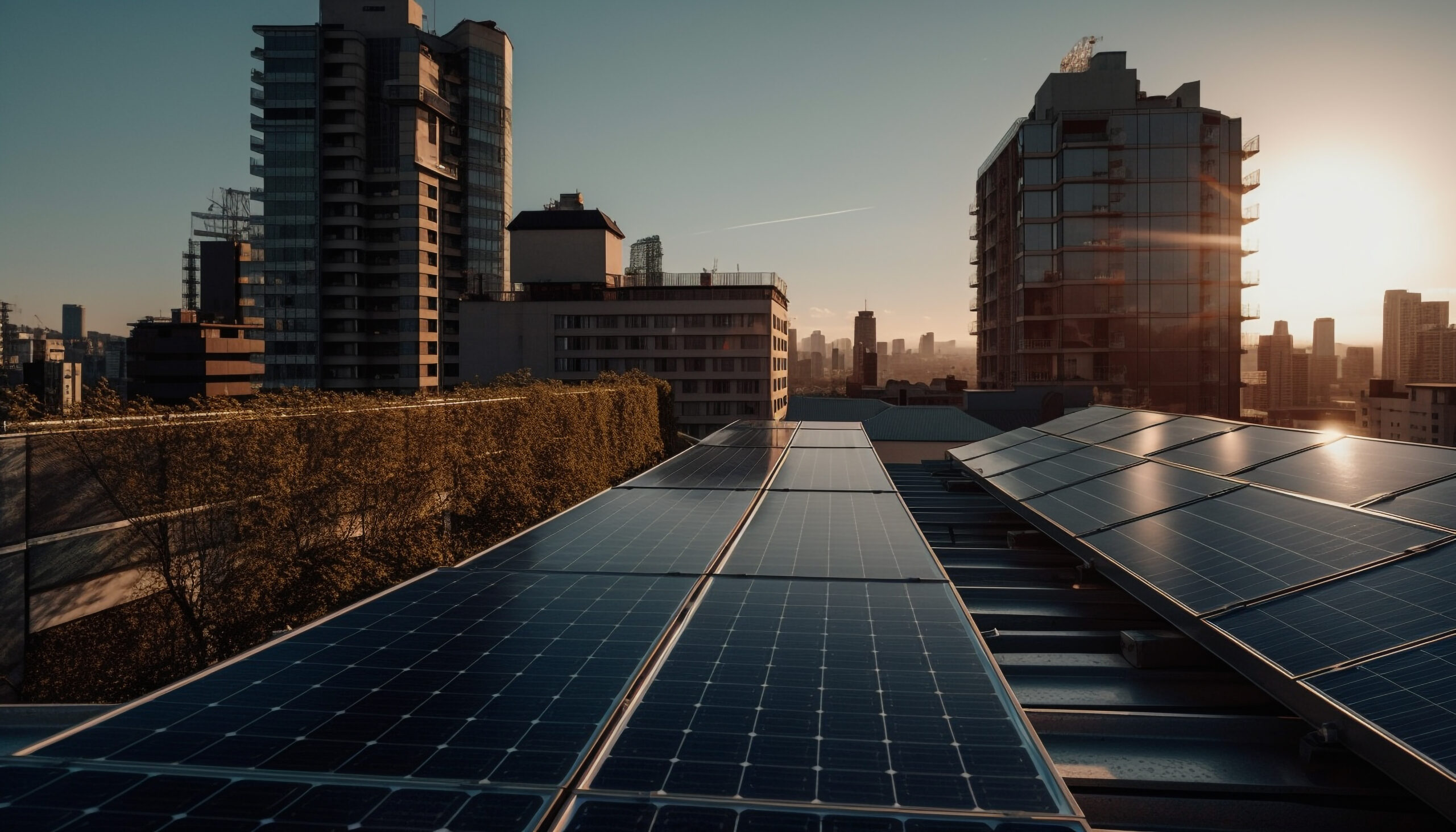
Smart homes are designed to cut waste. Devices like thermostats, lights, and plugs connect to the systems. They run when solar power is available and reduce use when it is not. Homeowners can see usage reports in simple apps. These apps suggest changes, like lowering AC during certain hours. The home learns habits over time and makes changes automatically.
Policy and Incentives
Governments in 2025 continue to support solar use. Many regions give tax credits for installing panels. Some offer rebates for adding storage. Net metering policies also help. Homes can sell unused solar power back to the grid. This turns solar from just savings into an extra income source.
Challenges to Address
While solar and smart energy are growing, there are still hurdles. Weather affects it’s output. Storage helps, but large-scale solutions are still costly. Smart systems need stable internet connections. Without that, automation may not work smoothly. Privacy is another concern, as apps collect user data. Companies are working on safer ways to manage this.
Rural and Off-Grid Solar
In rural areas, solar is often the only option. Off-grid systems with smart controls let homes run without outside power. These setups can handle lights, fridges, and even small businesses. Portable storage is also making a difference. People in remote zones can use solar kits to power phones, lights, and water pumps. In 2025, such kits are cheaper and easier to set up.
Solar and Smart Cities
Smart cities use it on a larger scale. Streetlights with solar panels are common. Traffic signals and sensors run on solar as well. Buildings in these cities often share energy through smart grids. Solar rooftops are linked, creating a network of clean power. This reduces the need for large plants and lowers pollution.
Homeowner Benefits
For homeowners, the benefits are clear. It cuts energy bills and reduces dependence on the grid. Automation saves time and prevents waste. Together, they create a smarter, greener lifestyle. People can also track their carbon impact. Many apps now show how much CO2 a home avoids each year. This gives clear proof of positive change.
Looking Ahead
By 2025, solar and smart automation are no longer niche. They are becoming part of everyday life. From city homes to rural areas, people are finding ways to save and share power. As technology grows, it will get more efficient. Batteries will get cheaper. Smart systems will be easier to install. Together, they will keep pushing homes and businesses toward a clean and connected future.
Final Thoughts
Sustainability is not only about using less—it’s about using energy smarter. It provides the clean source. Automation makes it efficient. In 2025, the mix of panels, storage, AI, and smart grids is reshaping how people use power. The result is a system that saves money, cuts waste, and supports a cleaner planet. The shift is here, and it’s only getting stronger. Homes and businesses that adopt smart systems today are setting the standard for tomorrow.